

The Almajiri system remains one of Nigeria’s oldest traditional education systems, rooted in religion, discipline, and moral development. For centuries, it has shaped generations of learners, emphasising humility, responsibility, and community service. Despite being misunderstood, Almajiri children are active learners within a functional educational structure that requires modernisation—not replacement.
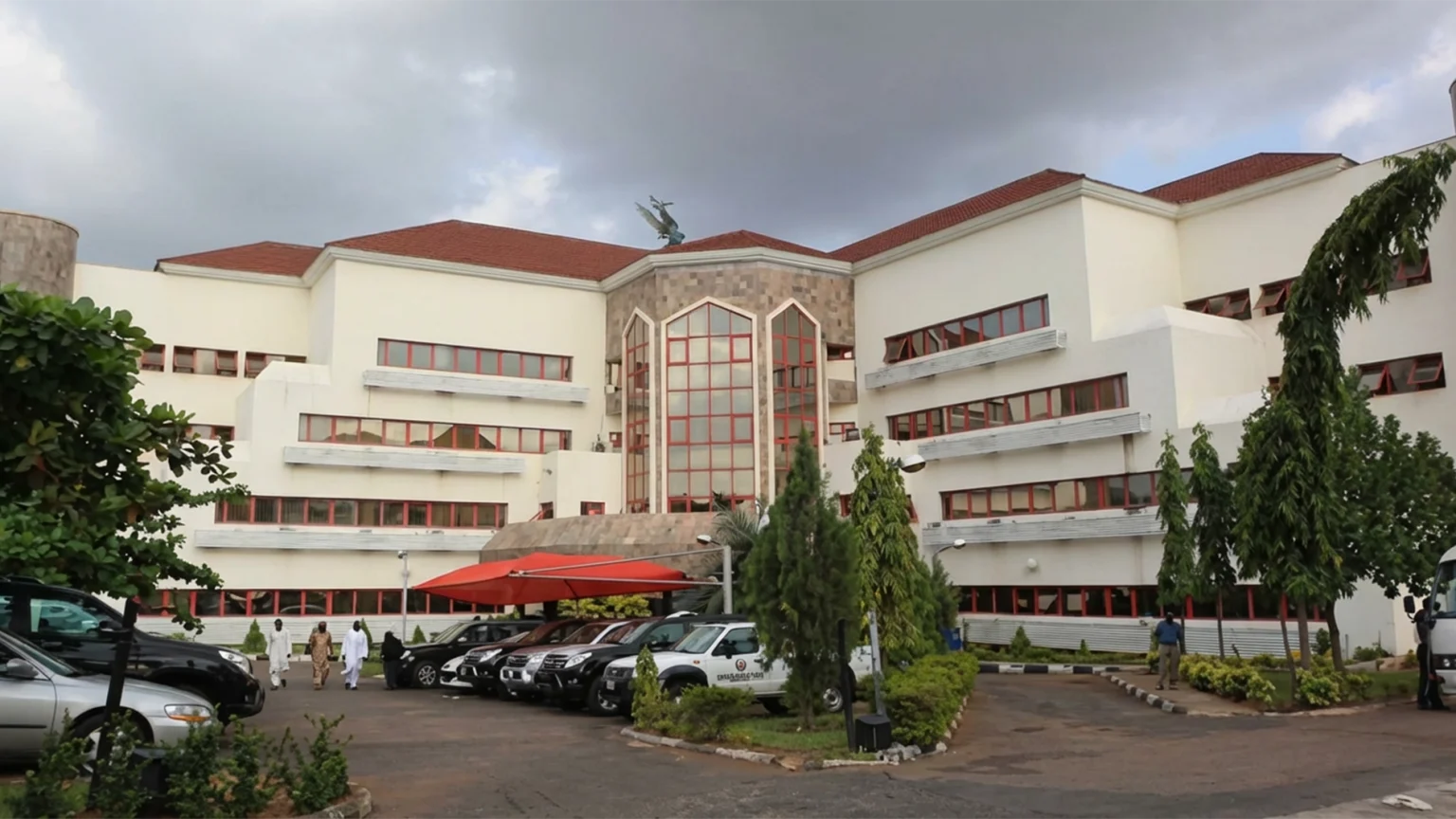
To address long-standing challenges such as child begging, inadequate learning environments, and limited exposure to modern pedagogical practices, the Federal Government established the National Commission for Almajiri and Out-of-School Children Education (NCAOOSCE) in 2023. The Commission seeks to revitalise the system by integrating Qur’anic education with literacy, numeracy, entrepreneurial training, and essential life skills, ensuring holistic development of every learner and, above all, the language of Arabic, to give the Almajiri a true understanding of the interpretation of the holy Qur’an.
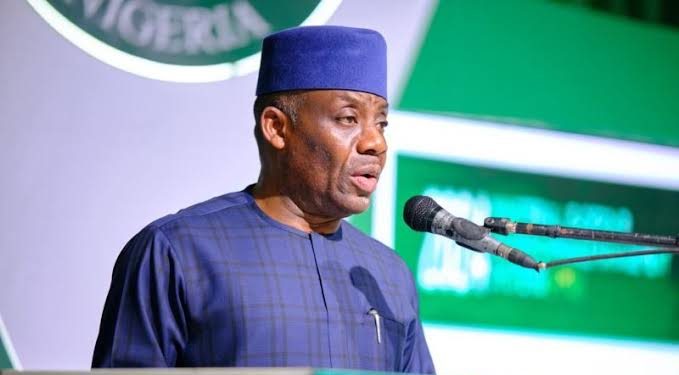
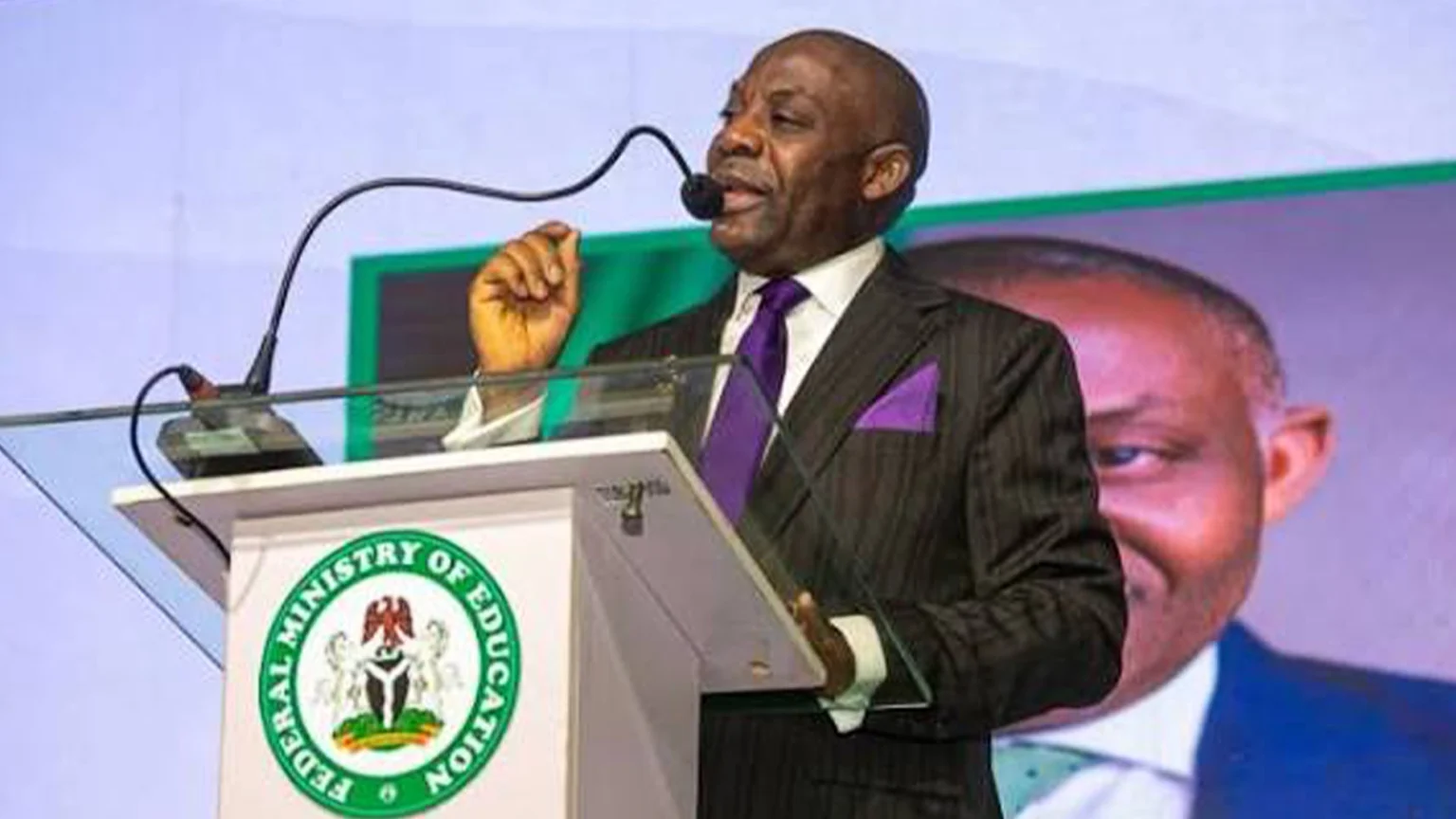
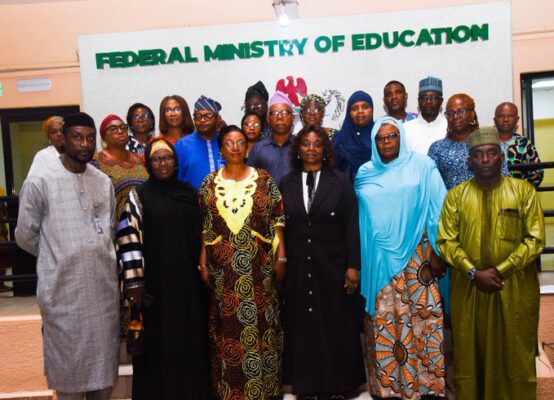
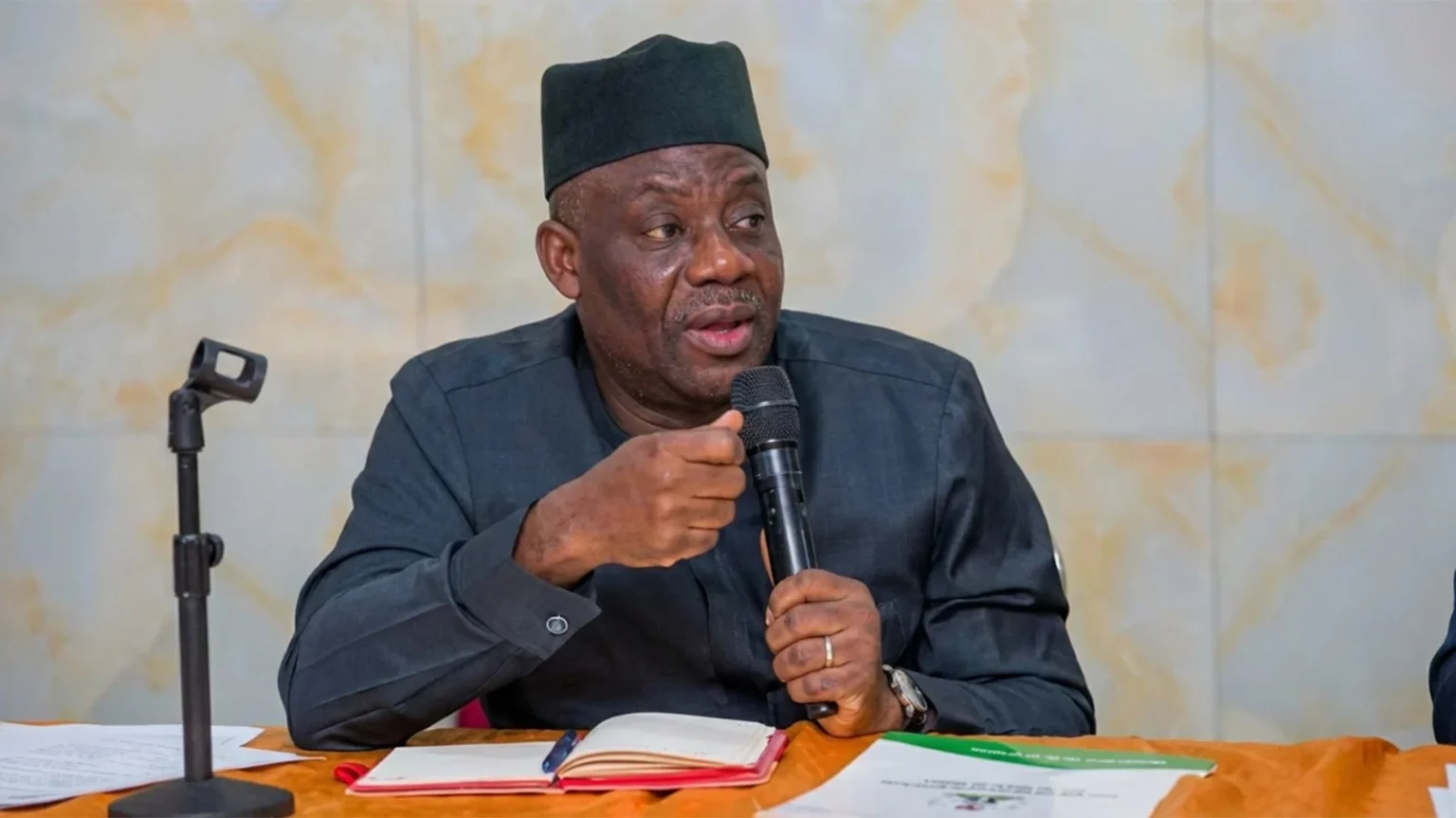
With this policy, the Government now recognises the Almajiri system as an integral part of national education. Current reforms prioritise child welfare, quality teaching, and Mallam capacity-building, in alignment with national standards. These efforts align with the Renewed Hope Agenda of President Bola Ahmed Tinubu (GCFR), supported by the First Lady, Senator Oluremi Tinubu, the Honourable Minister of Education, Dr Maruf Tunji Alausa, the Honourable Minister for State for Education, Prof. Suwaiba Said Ahmed and the leadership of NCAOOSCE under the Executive Secretary, Dr Muhammad Sani Idris.