


Department Overview
The Basic Education Department of the Federal Ministry of Education was created in July 2021, unbundled from the former Basic and Secondary Education Department. It focuses on early childhood education, primary education, and junior secondary education, and aims to provide the enabling structures and build the capacity needed for efficient and effective implementation, monitoring and evaluation of the National Policy on Education in the basic sub-sector.
The Department comprises three divisions: Junior Secondary School Education, Basic Education Development, and Language and Special Education.
Our Vision
To make Colleges of Education Centres of Excellence in teaching, learning and research in order to promote the production of top-class teachers, highly motivated and fully prepared for teaching at the basic education level
Our Vision
To provide universal and equal access to quality basic education, and to ensure self-reliance, preparedness for further education, good citizenship and effective participation in democratic governance.
Our Mission
Working together efficiently, as we raise the bar of excellence.
Mandate
- Formulation of policies with reference to Basic Education (Primary and Junior Secondary)
- Monitoring of the conduct of the Basic Education Certificate Examination (BECE) and Basic Arabic Islamic Certificate Examination (BAICE) nationwide, in collaboration with State Ministries of Education (SMoEs) and State Universal Basic Education Boards (SUBEBs)
- Monitoring the usage and implementation of the Basic Education Curriculum
- Overseeing the implementation of the National Policy on Education and decisions of the National Council on Education (NCE) with reference to Basic/Junior Secondary Education
- Formulation, planning, implementation and coordination of policies, programmes and activities for children aged 0-5 years
- Instituting and implementing Child Rights in Schools and creating awareness
- Development of the Early Childhood Development Policy
- Addressing the out-of-school problem to eradicate illiteracy in Nigeria
- Collaborating with international organisations on mass literacy, adult and non-formal education
- Championing the reduction of illiteracy in Nigeria using the non-formal approach
- Overseeing the formulation and implementation of national policy on mass literacy
- Formulating policies on Gender Education and ensuring their implementation, addressing imbalance in gender parity in education delivery
- Coordinating and implementing advocacy and sensitisation activities on Gender Education and out-of-school children in Nigeria
- Collaborating with international donor partners, NGOs and other stakeholders on matters relating to Gender and Special Needs Education
- Formulating policies to ensure the participation of persons with disabilities in education in Nigeria
- Promoting the teaching of indigenous languages at the basic/junior secondary level.
Core Functions
- Monitoring the conduct of the Basic Education Certificate Examination (BECE) and Basic Arabic Islamic Certificate Examination (BAICE) nationwide, in collaboration with SMoEs and SUBEBs
- Monitoring the usage and implementation of the Junior Secondary School curriculum nationwide
- Instituting child rights awareness in schools
- Formulating and coordinating early childhood policy for children aged 0-5 years
- Collaborating internationally on literacy and non-formal education
- Coordinating gender and out-of-school children advocacy
- Collaborating with donors and NGOs on gender and Special Needs Education
- Monitoring Special Needs education programmes
- Collaborating with MDAs on gender and women’s health matters
- Coordinating Junior Federal Unity Colleges and student admissions
- Collecting data from Federal Unity Colleges
- Establishing language clinics in Junior Unity Schools
- Introducing inter-school debates on indigenous languages
Leadership
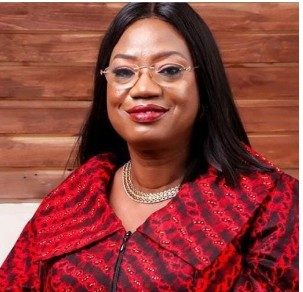
DIRECTOR
Dr. (Mrs.) Olatunji-David Olubanke Folake
Dr. (Mrs.) Olubanke Folake Olatunji-David is the pioneer Director of Basic Education Department, Federal Ministry of Education, Nigeria; coordinating and monitoring the activities of 36 States and National Basic Education sector, policies and programs to promote inclusive education; enhance quality of education and create a platform for collaboration and networking towards achieving national and global education goals. She is married and began her career in the core civil service on January 1, 1991 and accumulated a total of over 33 years of dedicated service to the Nigerian Civil Service. She holds a Doctor of Philosophy (PhD) in Adult Education (Management and Evaluation) from the University of Lagos and has further enhanced her professional capacity through the attainment of various certifications including evidence-based program evaluation from the Harvard Kennedy School, Massachusetts USA. She is a member of professional bodies such as the Institute of Management Consultants of Nigeria (IMCON), the Association of Senior Civil Servants of Nigeria (ASCSN), and the Teachers Registration Council of Nigeria (TRCN). She belongs to the Education Officer cadre and currently serves on Grade Level 17. Dr. Folake also serves as the GPE Nigeria Focal Point , Chairs the FLN Committee of the National Education Group (NEG) and coordinates the OOSC Education pillar of the Education Ministry NESRI Agenda.
Organizational Structure
Divisions: Directors Office
Branches:
Key Functions:
Divisions: Junior Secondary School Education
Branches:
- Documentation Coordination Branch,
- Examinations Branch,
- Junior Secondary School (Private) Branch,
- Junior Secondary School (Public) Branch.
Key Functions:
- Documentation Coordination Branch,
- Examinations Branch,
- Junior Secondary School (Private) Branch,
- Junior Secondary School (Public) Branch.
Divisions: Basic Education Development
Branches:
- Early Childhood Care Development Education (ECCDE) Branch
- Primary Education Branch
- Curriculum and Examination Branch
Key Functions:
- Formulating, planning, implementing and coordinating policies, programmes and activities for children aged 0-5 years.
- Development of the Early Childhood Development Policy.
Divisions: Language and Special Education Division
Branches:
- Adult and Non-formal Branch
- Gender Branch
- Special Needs Branch
- Nigerian Languages Branch
- Foreign Languages Branch
Key Functions:
- Championing the reduction of illiteracy in Nigeria using the non-formal approach.
- Formulation policies on gender education and ensuring implementation.
Key Services
- Monitoring of BECE and BAICE examinations nationwide, in collaboration with SMoEs and SUBEBs
- Curriculum monitoring and implementation support for basic and junior secondary education
- Early Childhood Care Development Education (ECCDE) policy coordination for children aged 0-5
- Identification, enrolment and placement support for out-of-school and school-age children
- Gender education advocacy and support for gender parity in education delivery
- Special Needs education support, including provision of materials and sign language resources
- Promotion and support of indigenous language teaching at the basic/junior secondary level
- Teacher capacity building, including item-writing workshops for Junior Secondary School teachers
- School nutrition and feeding support for primary schools
- Literacy and non-formal education support for adults and out-of-school populations
Key Programmes / Projects
- National Basic Education in Nigeria Bootcamp (BEN-B) Summit
- Identification and enrolment of school-age children
- Advocacy, sensitisation, printing and distribution of the National Policy and Guidelines on Alternative Learning Pathways in Nigeria Schools
- National launch and sensitisation/awareness campaign on the National Policy on Inclusive Education, and needs assessment of its level of implementation
- Monitoring and supervision of the usage and implementation of the Junior Secondary School curriculum nationwide
- Monitoring of pre- and post-BECE/BAICE nationwide, and an annual review forum with Directors and Registrars of state and FCT examination bodies
- Item-writing workshops for Junior Secondary School teachers across the six geopolitical zones
- Spelling Bee competitions and inter-school debate/quiz competitions among selected Junior Secondary Schools nationwide
- National launch and sensitisation on the facilitation of re-entry of pregnant and married adolescent girls into schools
- Identification, selection and placement of school-age learners across the country, and retreats for indigent mothers and children in school communities
- School nutrition feeding for primary schools
- Support for the Out-of-School Children Project
- Provision of learning resources for 50,000 basic and secondary school learners
- Development of the National Policy on Foundational Literacy and Numeracy in Nigeria and its Implementation Guidelines
- Advocacy, sensitisation and implementation of the Accelerated Basic Education Programme (ABEP) curriculum
- Retooling of Special Needs teachers and master trainers on the use of Special Needs materials and sign language
- Advocacy on the establishment and sustainability of community-based Early Childhood Centres and neighbourhood primary schools
- Needs assessment of selected public and private primary schools
- Integration of Early Childhood Care Development Education
- Establishment of more literacy centres in Federal Unity Colleges
- Environmental sustainability education programmes for illiterate adults in Nigeria
Achievements
- Development and launch of the National Policy on Non-State Schools in Nigeria
- Development, dissemination and sensitisation of the National Policy on Alternative Learning Pathways in Nigeria
- Development and launch of Re-entry Guidelines for adolescent girls in Nigeria
- Basic Education in Nigeria Bootcamp (BEN-B), 2026: a 3 day summit held 28-30 April 2026 at Crispan Hotel, Jos, Plateau State, themed “Enhancing Access to Inclusive Quality Education and Bridging the Gap for Out-of-School Children in Nigeria.” It attracted over 330 participants from all 36 states and the FCT. Opened by the Honourable Minister of Education, Dr. Maruf Tunji Alausa, CON, with the Honourable Minister of State for Education, Prof. Suwaiba Sa’id Ahmed, in attendance. The Plateau State Government was represented by Deputy Governor Mrs. Josephine Chundung Piyo and Commissioner for Education Dr. (Mrs.) Kachollom Pyam Gang. Keynote address delivered by Mr. Titus Syengo, Executive Director, TaRL Africa. The Summit produced 10 Key Resolutions covering data-driven education (NEDI, Learner Identification Number), teacher professionalisation and capacity development, a National Blueprint for Accelerated Literacy and Numeracy, inclusive education infrastructure investment, expansion of Alternative Learning Pathways, TVET reform, prioritisation of Early Childhood Care, Development and Education, strengthened Federal-State-partner collaboration, and full implementation of the HOPE-EDU Project.
- Launch of national policies: the National Policy on Alternative Learning Pathways in Nigeria, and National Guidelines for the Facilitation of Re-entry of Pregnant and Married Adolescent Girls into Schools
- Dissemination of existing policies: the National Policy on Inclusive Education in Nigeria, National Policy on the Enhancement of Almajiri Education in Nigeria, the Accelerated Basic Education Programme (ABEP), National Policy on Non-State Schools in Nigeria, National Teachers Policy, and National Implementation Guidelines Against Drug and Substance Use in Tertiary Institutions and in Secondary Schools
- Retraining of Special Needs teachers and master trainers on Special Needs materials and sign language, delivered in collaboration with Gombe State
- Advocacy for the establishment and sustainability of community based Early Childhood Centres
- Ministerial technical working group on out-of-school children, co-chaired with UBEC
- Guideline development for the re-entry of girls who dropped out of school due to pregnancy.
Images & Media


Contact Information
Main Office: Basic Education Department, Federal Ministry of Education, Federal Secretariat, Shehu Shagari Way Abuja, Nigeria P.M.B 146, Garki
- Email: dbasic@education.gov.ng