


Follow us:

Building a stronger Nigeria through accessible, inclusive, & quality education for all.

As the Federal Ministry of Education, we are reimagining Nigeria’s education system to meet the demands of a dynamic world. We are committed to expanding access, training the next generation of educators, digitising classrooms, and strengthening the foundations of learning for all.

Our Mission

Our mission is to use education as a tool for fostering the development of all Nigerian citizens to their full potentials, in the promotion of a strong, democratic, egalitarian, prosperous, indivisible and indissoluble sovereign nation under God.

Our Leadership Directory

At the helm of our reform efforts are leaders dedicated to delivering a world-class education system for every Nigerian.

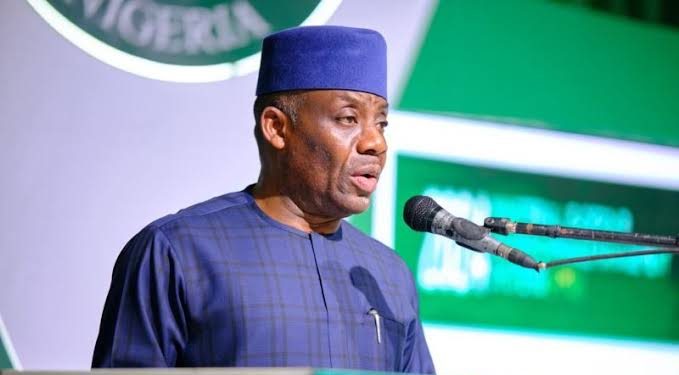
Hon. Minister of Education

Dr. Maruf Tunji Alausa, CON

Dr Alausa leads the ministry's efforts to transform Nigeria's education system. He has championed reforms such as the automated admissions system for Unity Colleges and digital...

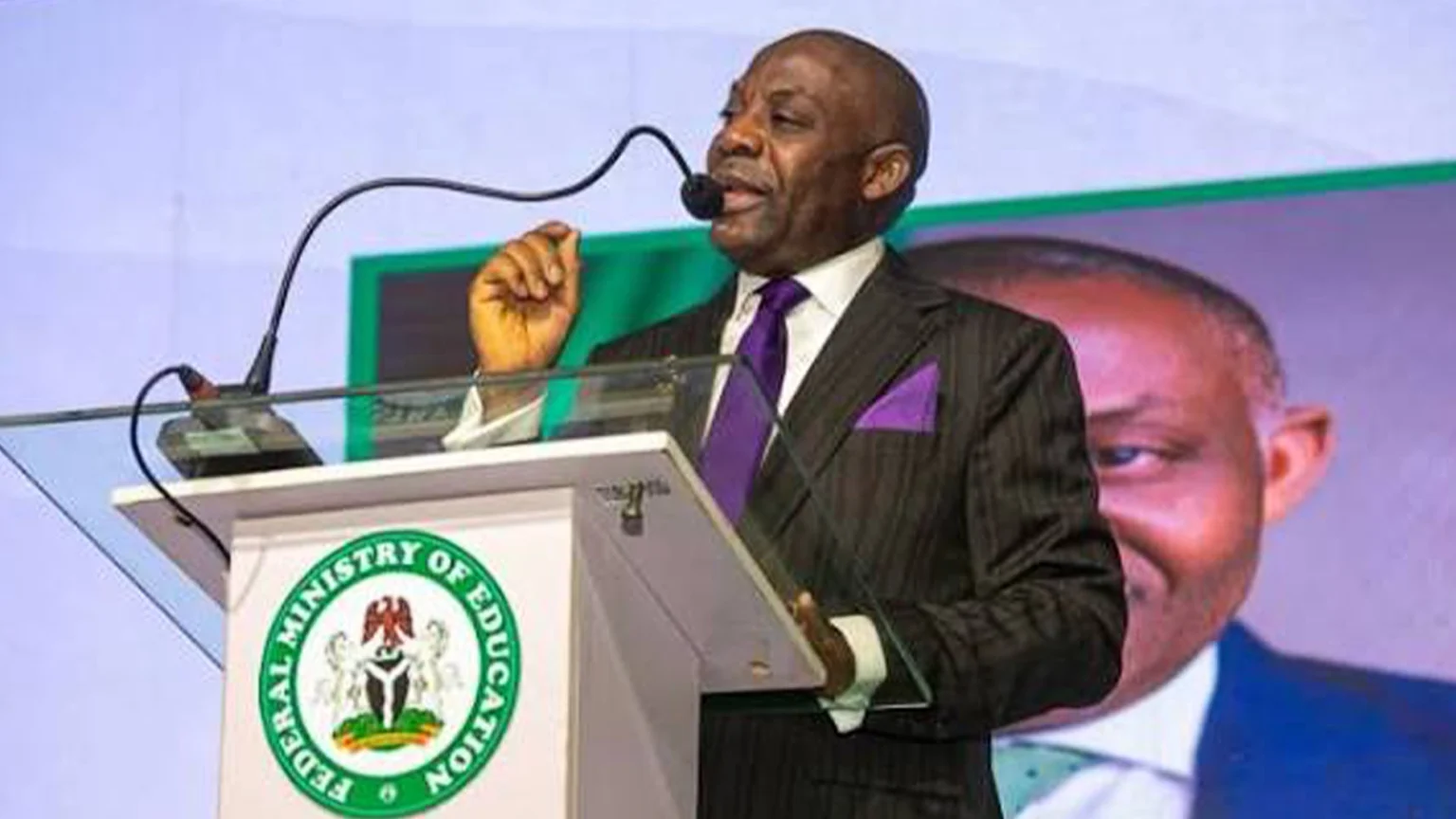
Minister of State for Education

Prof. Suwaiba Said Ahmad

Professor Suwaiba Sa'idu Ahmad is a distinguished scholar, educational administrator, and Professor of Science Education with more than two decades of experience in teaching...

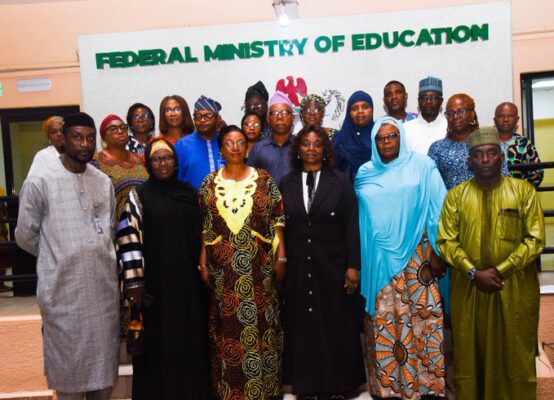
Director overseeing the Office of the Permanent Secretary (PSE)

Dr. (Mrs.) Olatunji-David Olubanke Folake

Dr. (Mrs.) Olubanke Folake Olatunji-David is the pioneer Director of Basic Education Department, Federal Ministry of Education, Nigeria. coordinating and monitoring the activities...

Interventions

Our boldest ideas, brought to life through nationwide programmes and policy execution.

Automated Admissions System

Ensures fair and transparent placement of students into Federal Unity Colleges.

Campus Mobility Initiative

The FME distributed electric tricycles and solar-powered

Entrepreneurship, Innovation & Business Incubation Certification (EIBIC)

EIBIC is a transformative mandatory programme designed

National Curriculum Review

A major review of the national curriculum

Key initiatives spotlights

Driving growth and innovation through targeted programmes and strategic funding.

Key initiatives spotlights

Driving growth and innovation through targeted programmes and strategic funding.

Featured Priority Areas

Driving growth and innovation through targeted programmes and strategic funding.

Services

Explore the core services that keep our education system running

Resources

Access key education policies, reports, and resources

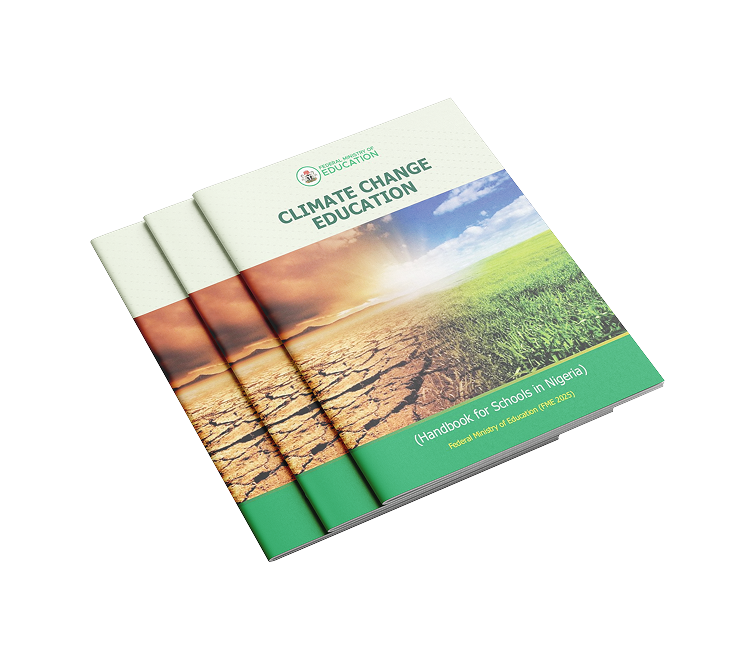
Our resource library brings together strategic reports, circulars, and education data to drive informed policy and implementation. It is where to locate  Ministry approved publications, frameworks, and implementation guidelines, all of which support the continuous improvement of our education system.

News & updates feed

Track the Ministry’s work, reforms, and nationwide impact in real time.

FG Harmonizes 2027 Examination Timetable, Targets August Results Release
The Federal Government has intensified efforts to harmonise the 2027 external examination timetable,...
14 October, 2026
Promises Kept, Hope Restored, Trust Built: FG Unveils Tertiary Education Agreements, Commences Allowance Payments
The Federal Government has reaffirmed its commitment to transforming Nigeria’s tertiary education se...
13 October, 2026
FG Takes Over Bama College As Permanent Campus Of Federal University O Agriculture And Entrepreneurship
The Federal Government has taken a significant step towards advancing agricultural education, entrep...
13 October, 2026
FG Flags Off Distribution Of 2 Million Sanitary Towel Packs, Learning Materials To Keep Girls In School
The Federal Government has flagged off the distribution of two million packs of sanitary towels and ...
12 October, 2026
FG Releases CONTA For Non-Academic Staff Of Federal Tertiary Institutions
The Federal Government has released the Consolidated Non-Academic Staff Tertiary Institutions Allowa...
7 October, 2026
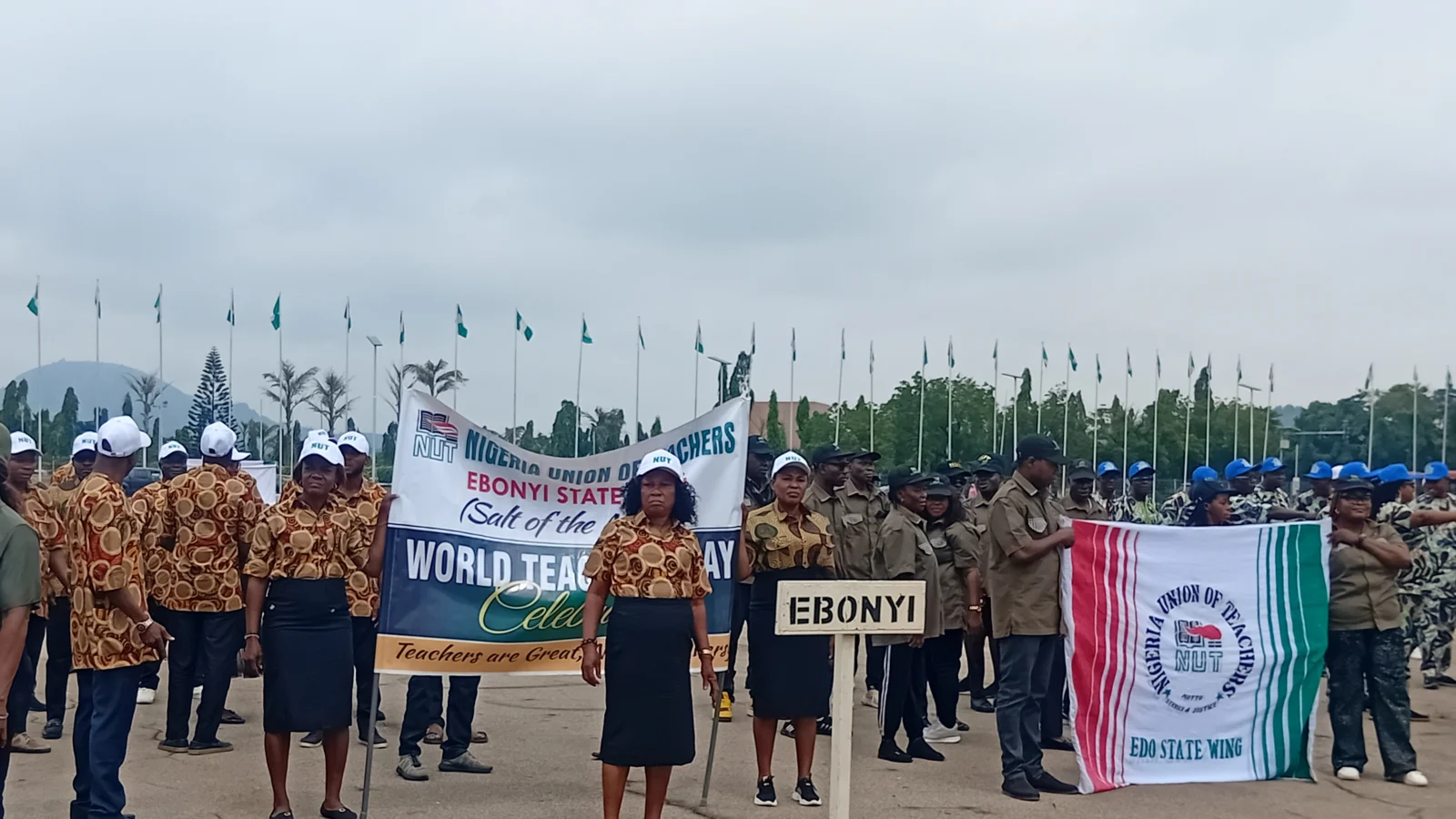
FG Deepens Teacher Reforms, NUT Pledges Stronger Partnership For Professional Transformation
The Federal Government has reaffirmed its commitment to transforming Nigeria’s teaching profession t...
5 October, 2026

Media Gallery

Visit our media gallery for photos, videos, and highlights from the Federal Ministry of Education’s programmes and events.

Our Impact

A data snapshot of Nigeria’s education landscape.

16,675

Students participated in Disapora Bridge courses

171,027

UBEC Public and Private Schools

Federal & State Technical Colleges Rehabilitated

262

Scholarships Awarded

211,221

Out of School & Almajiri Reintegrated

1M+

Schools across the country geo-tagged and mapped

215,000

Frequently Asked Questions

Can’t find what you need? Please reach out through our Contact Us page.

What is the role of the Federal Ministry of Education?

The Federal Ministry of Education is responsible for formulating and coordinating national education policies, maintaining educational standards, supporting curriculum development, collecting education data for planning, and promoting quality education across all levels of learning in Nigeria. The Ministry also collaborates with states, educational institutions, development partners, and international organisations to improve educational outcomes nationwide.

Applications for Federal Government scholarships are processed through the Federal Scholarship Board and the Ministry’s Scholarship Portal. Interested applicants should visit the scholarship platform, create an account, review eligibility requirements, and submit the required documents within the application period. Scholarship opportunities are announced periodically on the Ministry’s website and official communication channels.

The evaluation and authentication of local or foreign academic credentials (including secondary school certificates, tertiary degrees, and transcripts) are managed online via the Evaluation and Accreditation System (ESS) portal. To authenticate your documents:

  1. Register an account on the official ESS application portal (ess.education.gov.ng).
  2. Select your document type for verification and generate a Remita Retrieval Reference (RRR) code to pay the required non-refundable fee.
  3. Upload clear, scanned copies of your original credentials, then schedule an available appointment.
  4. Proceed to the designated Accreditation Venue at the Federal Secretariat Complex in Abuja on your scheduled date with 1 original copy and 2 photocopies of your credentials for physical verification.

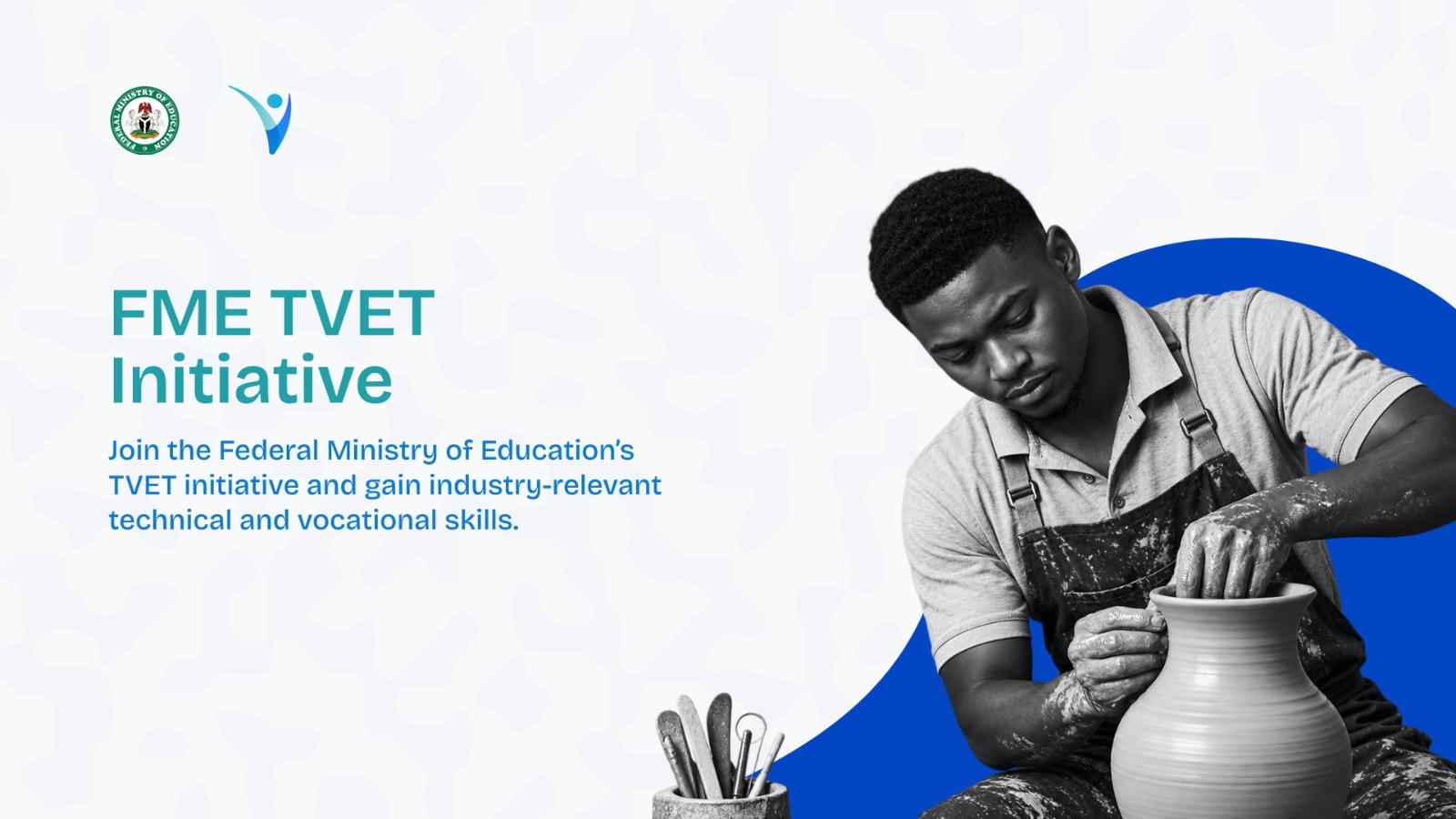
The Technical and Vocational Education and Training (TVET) Initiative is a Federal Ministry of Education programme designed to equip Nigerians with practical, industry-relevant skills for employment and entrepreneurship. Eligible participants can access tuition-free technical training, monthly stipends, and support in selected vocational and technical fields through accredited training centres nationwide.

Under the Students’ Loans (Access to Higher Education) Act, zero-interest educational loans are accessible to all full-time Nigerian students who have secured admission into public universities, polytechnics, colleges of education, or vocational schools. Administered by the Nigerian Education Loan Fund (NELFUND), the scheme provides institutional charges (remitted directly to the applicant’s institution) and a monthly upkeep allowance paid directly to the student. Applications are processed entirely online and require a valid Joint Admissions and Matriculation Board (JAMB) number, National Identification Number (NIN), and Bank Verification Number (BVN).

The Ministry regularly publishes announcements, policy documents, scholarship opportunities, training programmes, and education-sector updates on its official website. Members of the public can also subscribe to the Ministry’s newsletter and follow its official communication channels for timely information on new initiatives and opportunities.

Admissions and registrations for the National Common Entrance Examination (NCEE) into Junior Secondary School 1 (JSS 1) of all Federal Unity Colleges across Nigeria are administered in partnership with the National Examinations Council (NECO). Parents, guardians, and primary school administrators must register candidates online via the official NECO registration portal during the active registration window. Once the examination is graded, the Ministry determines cut-off marks based on merit, state quota, and environmental factors, after which admission placements can be tracked directly through the Federal Ministry of Education portal.

The Nigeria Learning Passport (NLP) is a digital, mobile-friendly educational platform launched by the Federal Ministry of Education in collaboration with UNICEF. It is specifically designed to provide free, high-quality, continuous access to primary and secondary educational resources mapped directly to the approved Nigerian national curriculum. Available in multiple national languages, the platform hosts video lessons, interactive quizzes, and supplementary study guides. Students, teachers, and parents can access the portal at nlp.education.gov.ng or download the mobile application to access study materials offline.

Upcoming Events

Here are ways we connect citizens to core services that keep our education system running.

No evnts was found