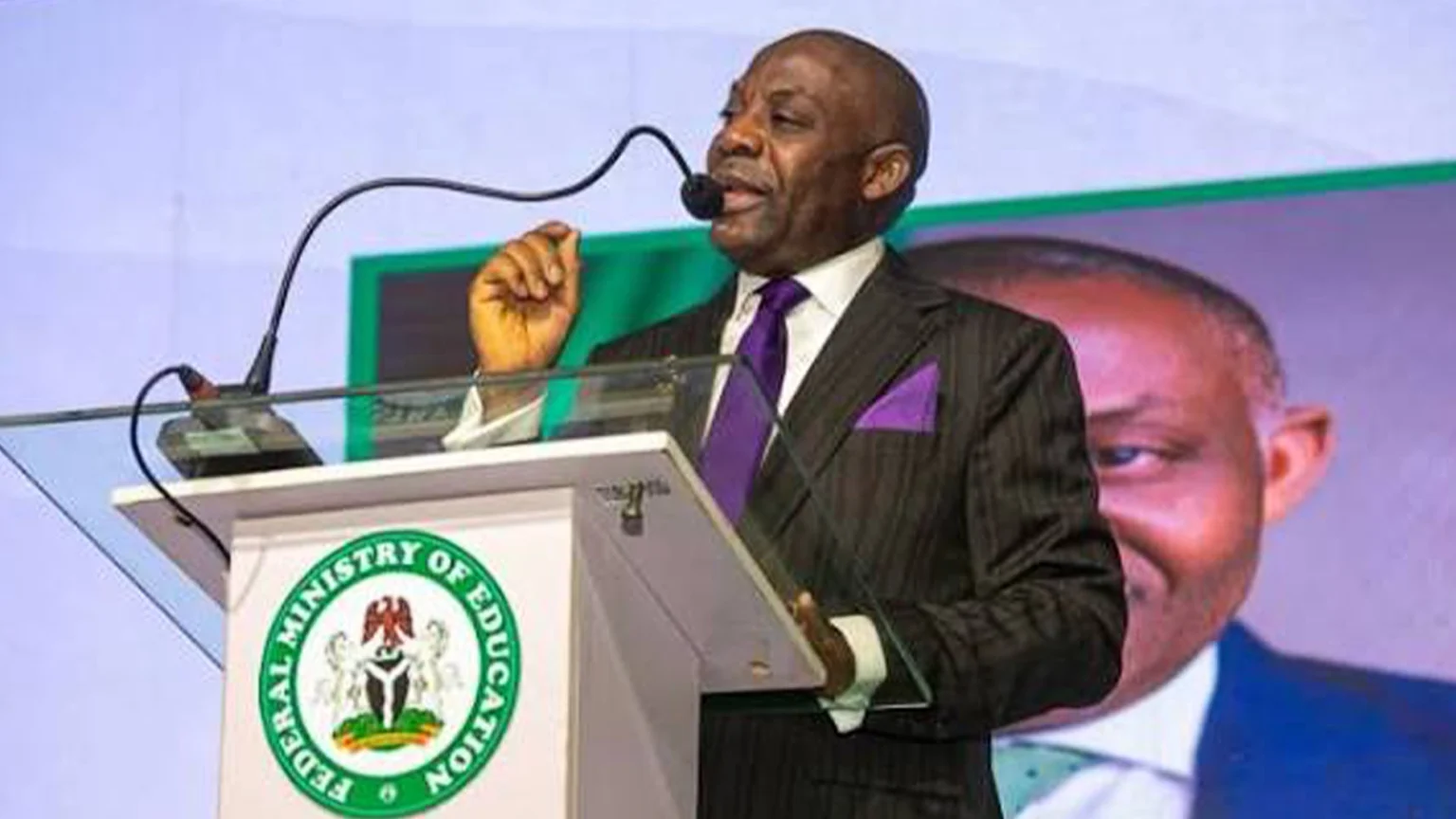


It is my great pleasure to present the report of the 4th International Conference on the Safe Schools Declaration, which took place in Abuja, Nigeria, from 25–27 October 2021. It was hosted by the Government of Nigeria, together with the Governments of Argentina, Norway, and Spain, as well as the African Union Commission and the Global Coalition to Protect Education from Attack. As of January 2022, 113 United Nations (UN) member states had endorsed the Declaration.
With the theme of “Ensuring Safe Education for All: From Commitment to Practice,†the overarching aim of the Abuja Conference was to take stock and review progress in implementing the Safe Schools Declaration (SSD) and the Guidelines for Protecting Schools and Universities from Military Use during Armed Conflict (“the Guidelinesâ€), and to galvanise commitment and action to protect education from attack.
Over the course of the three-day conference, 400 delegates from 27 States and 1,936 delegates from 124 States attended in-person and virtually, respectively. They comprised members of international organisations, ministries of education, foreign affairs, defence, and justice, as well as civil society and academia. The deliberations included discussions on how the Guidelines have been used by states and the UN Department of Peacekeeping Operations to better protect education and save lives; how the SSD, by keeping schools safe, can be a tool to prevent other forms of grave violations, such as sexual violence and recruitment; ways in which education has been protected from attack in the Sahel region and the gendered impact of attacks; actions governments can take to better achieve accountability for attacks on education and justice for survivors; and the experiences and challenges faced by ministries of defence in preventing and responding to attacks on education.
I would like to express my appreciation to the Economic Community of West African States (ECOWAS) for their hospitality; the Governments of Argentina, Norway, and Spain, the African Union Commission, and the Global Coalition to Protect Education from Attack who, together, organised this successful conference; and the Education in Emergencies Working Group Nigeria (EiEWGN) who supported this outstanding three-day event. I am grateful to my colleagues, Mr. Geoffrey Onyeama, Minister of Foreign Affairs, for his participation at various conference events and for hosting the Welcome Reception; Dr. Zainab Shamsuna Ahmed, Minister of Finance, Budget and National Planning, for his support of the conference; and Major General Salihi Magashi (Rtd), Minister of Defence, for organising the side event, exhibition, and military tattoo. My sincere gratitude also to Mr. Chukwuemeka Nwajiuba, Minister of State for Education, and Arch Sonny S.T Echono, Permanent Secretary at the Federal Ministry of Education, for their commitment in ensuring that the event was a success.
In addition, I would like to acknowledge the people behind the scenes who contributed to the success of this important event. I am very grateful for the dedicated team at the Federal Ministry and GCPEA. Special thanks to the panellists, moderators, rapporteurs, and the staff of the Nigeria Centre for Disease Control.
This report aims to capture the main activities and outcomes of the conference. By compiling this overview of the key topics and deliberations of the speakers and delegates, we shed light on how we can move from a global commitment to protect education to implementing practices that ensure all educators and students can teach, research, and learn without fear.
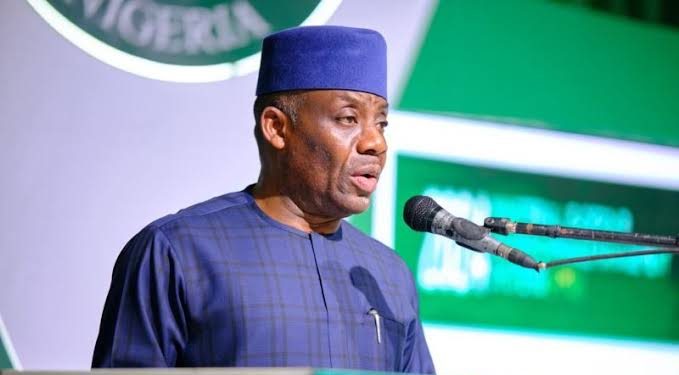
H.E. Malam Adamu Adamu,
Minister of Education Federal Republic of Nigeria