

Given the current devastation of our environment due to climate change and insecurities that affect education in Nigeria, and indeed, the world at large, it is my pleasure to introduce this handbook, Early Warning Handbook: A Guide to Protecting Schools in Nigeria.
This is a critical resource necessitated by the need for the recognition of the signs of impending disaster and the comprehensive measures needed to be taken to ensure that learning takes place in a safe and secure environment.
The Federal Ministry of Education is committed to ensuring that our education system provides a safe, supportive, and inclusive learning environment for all learners and teachers.
Although Disaster Risk Reduction (DRR) and Climate Change Education (CCE) have been embedded into different subjects at different levels in the school curriculum, the need for a guide for teachers and learners to understand the warning signs and take the necessary actions capable of averting disaster in line with global best practices has been met by this handbook.
Schools’ staff, students, parents, members of the community, and education managers at the local government, state and federal levels, policy makers, and other stakeholders are advised to recognize and act fast to prevent disasters, as well as be committed to the protection of schools and learning environment from all forms of hazards and risks.
The Early Warning Handbook: A Guide to Protecting Schools in Nigeria is a timely and essential tool for all educators, as it provides critical guidance on identifying early warning signs of potential risks and threats to learners’ and teachers’ well-being, safety, and learning.
It is designed to support our collective efforts to prevent and respond to issues such as flooding, kidnapping, communal clashes, violent extremism, and mental health concerns, which have disrupted learning and put learners, teachers, and the school community at risk.
This handbook is a call to action for everyone to recognize the warning signs, act quickly, and prioritize learners’ and teachers’ well-being, as well as the safety of the school environment.
All educators, members of the school community, policymakers, and stakeholders are, therefore, urged to make use of this handbook and join hands together in the efforts to create a safe, supportive, and inclusive learning environment for all.
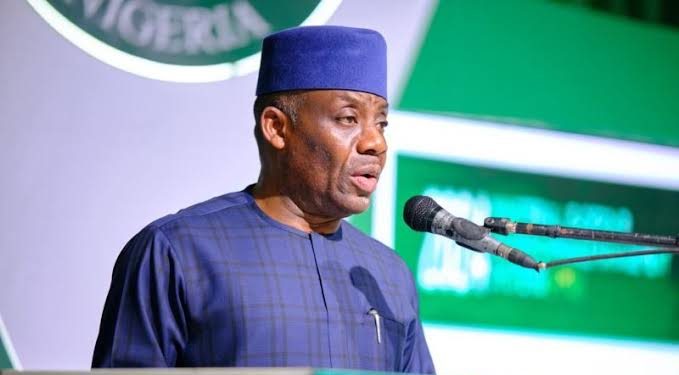
Dr. Maruf Tunji Alausa
Honorable Minister of Education