

Gender issues connue to aract increasing aenon globally; yet, gender disparies in most facets of life sll hamper the progress of girls and boys, men and women. In the educaon sector, a large number of girls and boys are deprived of basic knowledge competencies and necessary skills to enable them lead safe and producve lives. Such deprivaons in the area of knowledge and skills as well as disparies in access and compleon at all levels of educaon are unhelpful and run against naonal and global thinking on the need for gender equity in society as a basic requirement for nay sustainable development. There is therefore the need to evolve funconal strategies to breach gender gaps in educaon, to harness the full potenal of women and men, as well as boys and girls, and to ensure equal access to quality and relevant educaon, economic, social, polical, and wealth creaon opportunies. The enactment of the Violence Against Persons Prohibion (VAPP) Act, the Child Rights Act and other recurrent emerging issues like rape call for more urgent aenon to women and girls rights.
Governments as well as internaonal organizaons all over the world have allocated appreciable budgets towards eliminang gender disparies at all levels. To address this issue of naonal and global concern, the Federal Ministry of Educaon in collaboraon with Internaonal Partners, parcularly UNICEF and the Foreign and Commonwealth Development Office (FCDO) formerly DFID, produced a working document to provide guidance on the processes of gender sensivity in Basic Educaon in Nigeria. This document and its implementaon guidelines were published in 2006 and 2007 respecvely. However, these documents need to be reviewed to reflect emerging issues and changes in society. A technical commiee was therefore set up with the mandate of reviewing the Naonal Policy on Gender in Basic Educaon and developing an all-inclusive policy for the enre educaon system by expanding the policy to include all levels of educaon.
A comprehensive Naonal Gender Policy in Educaon will strengthen Government’s capacity to oversee the integraon of gender concerns in every area of naonal life and also improve compliance with reporng requirements under various Human Rights Instruments. As the root of complex barriers to gender equality are idenfied and addressed by the policy, the potenals of men and women, boys and girls will be harnessed. The overall objecve of achieving meaningful and sustainable development in every area of our naonal life will be realized.
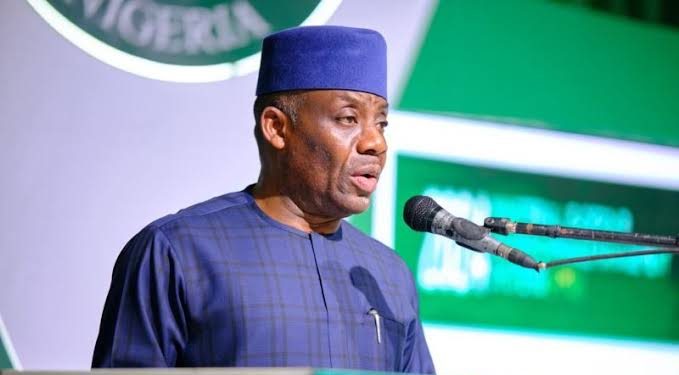
I recommend the policy for your use and urge you all to implement with fidelity.
Adamu Adamu
Minister of Educaon,
Federal Republic of Nigeria