


Who we are
As the apex authority for education in Nigeria, we lead the design, coordination, and delivery of policies that strengthen learning at every level, from foundational to tertiary education. Our mandate goes beyond administration; we are building a system that equips Nigerians with the knowledge, skills, and values to thrive in a fast-changing world. Through reform, innovation, and collaboration, we are working to ensure that education becomes a powerful driver of national development, social equity, and global competitiveness.
Ministry Overview
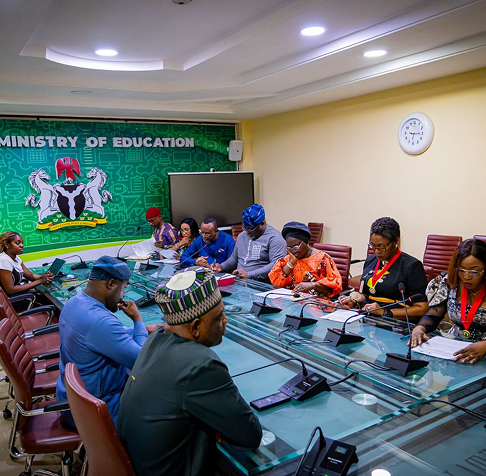
The Ministry of Education is Nigeria’s primary institution for designing, implementing, and monitoring education policy across all levels, from early childhood to tertiary and vocational learning. We build systems that deliver access, equity, quality, and relevance, ensuring that every Nigerian, regardless of background, has the opportunity to learn, grow, and thrive. Our mandate reflects a broader national vision: to develop a skilled, knowledgeable, and globally competitive population capable of leading Nigeria into the future.
Our Vision
To be a catalyst for building a globally competitive nation through an innovative, inclusive, and life-long learning education system that produces ethical, creative, and productive citizens.
Our Mission
To use education for fostering the development of all Nigerian citizens to their full potentials in the promotion of a strong, democratic, egalitarian, prosperous, indivisible, and indissoluble sovereign nation under God.
Policy Framework
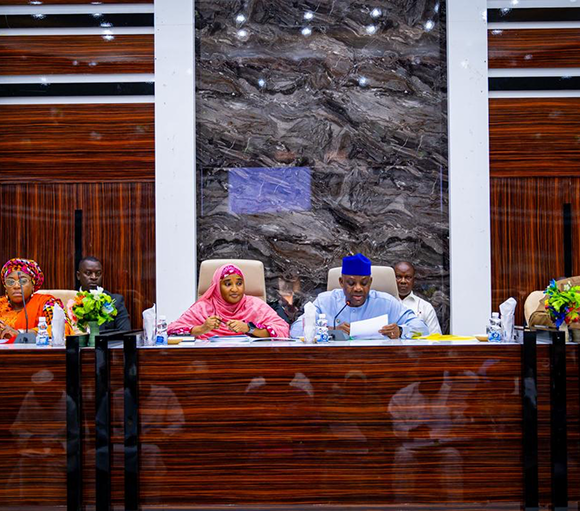
Our actions and strategic direction are guided by a robust framework of policies, legislation, and strategic plans designed to ensure coherence and direction across the national education system.
- National Policy on Education
- Strategic Plan for the Education Sector (2024-2027)
- Education Act (1996)
- Technical and Vocational Education and Training (TVET) Policy
- Inclusive Education Policy
Interventions
Our boldest ideas, brought to life through nationwide programmes and policy execution.
Automated Admissions System
Ensures fair and transparent placement of students into Federal Unity Colleges.
Entrepreneurship, Innovation & Business Incubation Certification (EIBIC)
EIBIC is a transformative mandatory programme designed
Our Leadership Directory
At the helm of our reform efforts are leaders dedicated to delivering a world-class education system for every Nigerian.

Hon. Minister of Education
Dr. Maruf Tunji Alausa, CON
About
Dr Alausa leads the ministry’s efforts to transform Nigeria’s education system. He has championed reforms such as the automated admissions system for Unity Colleges and digital teacher training programs, aiming to improve transparency and access to quality education. By combining an international administrative background with a strict focus on executive accountability, his leadership ensures these strategic policies deliver measurable progress for Nigerian students.
As Nigeria’s 36th Minister of Education, Dr Alausa brings extensive international experience in education administration and policy development to lead comprehensive reforms across the nation’s education sector. Under his leadership, the Ministry has launched groundbreaking initiatives, including a complete overhaul of Nigeria,s national curriculum that reduces subject overload while emphasising skill development and digital literacy. Dr Alausa has also spearheaded the integration of Artificial Intelligence into Nigerian classroom instruction, working with AI companies to support teachers in developing lesson plans and enhancing content delivery methods.
Beyond curriculum reforms, Dr Alausa has implemented transformative programs to address Nigeria´s learning poverty crisis and the challenge of over 15 million out-of-school children. His flagship initiatives include the Universal Basic Education School-Based Management Committee-School Improvement Programme (SBMC-SIP) with 2.035 billion disbursed to 1,147 schools for over 15,000 improvement projects, and the Teacher Professional Development Programme, investing ₦598 million per state to enhance the capacity of over 223,000 teachers nationwide.
Dr Alausa has also launched ambitious plans to quadruple medical school admissions by 2027, expand Technical and Vocational Education Training (TVET) with industry-mapped programs, and establish a unified Nigeria Education Data Infrastructure in collaboration with the Ministry of Communication and Digital Economy. His vision extends to transforming Nigeria´s education system through a proposed shift from the 9-3-4 model to an uninterrupted 12-year basic education structure, ensuring alignment with global standards while maintaining Nigeria´s educational sovereignty and cultural heritage.
Hon. Minister of Education
Dr. Maruf Tunji Alausa, CON
Minister of State for Education
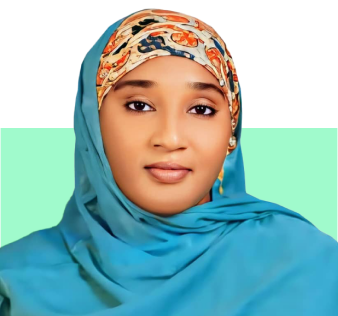
Prof. Suwaiba Said Ahmad
About
Professor Suwaiba Sa’idu Ahmad is a distinguished scholar, educational administrator, and Professor of Science Education with more than two decades of experience in teaching, research, educational leadership, and policy development. Widely recognised for her contributions to science education, teacher development, gender inclusion, and curriculum advancement, she has dedicated her career to expanding access to quality education and improving learning outcomes across Nigeria.
A graduate of Bayero University Kano and Ahmadu Bello University, Professor Ahmad built a distinguished academic career at Bayero University Kano, where she rose through the ranks to become a Professor of Science Education. She also served in several key leadership positions, including Head of the Department of Science Education, Sub-Dean (Academics), and Director of the Centre for Gender Studies. Prior to joining the Federal Government, she served as Provost of the Jigawa State College of Education, Ringim, where she contributed to strengthening teacher education and institutional development.
Her expertise in educational reform, gender-responsive policy, and institutional leadership has shaped her contributions to numerous national and international education initiatives. Through research, policy engagement, and programme implementation, she has supported efforts to improve teacher quality, promote educational equity, strengthen curriculum delivery, and expand opportunities for girls and underserved learners. Her work has also informed policy discussions on educational access, financing, and learning outcomes across Nigeria.
Appointed Minister of State for Education by President Bola Ahmed Tinubu in October 2024, Professor Ahmad brings her extensive academic and administrative experience to national education policymaking. She has supported the implementation of major education reforms and interventions, including the World Bank-supported $1.2 billion Adolescent Girls Initiative for Learning and Empowerment (AGILE) programme across 18 states. The initiative has contributed to improved school infrastructure, expanded digital literacy, increased access to secondary education for approximately 3.9 million girls, and provided life-skills and digital literacy training to over one million girls, reinforcing her longstanding commitment to inclusive and transformative education.
Minister of State for Education
Prof. Suwaiba Said Ahmad
Director overseeing the Office of the Permanent Secretary (PSE)
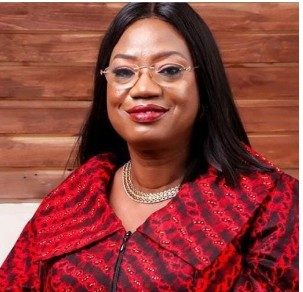
Dr. (Mrs.) Olatunji-David Olubanke Folake
About
Dr. (Mrs.) Olubanke Folake Olatunji-David is the pioneer Director of Basic Education Department, Federal Ministry of Education, Nigeria; coordinating and monitoring the activities of 36 States and National Basic Education sector, policies and programs to promote inclusive education; enhance quality of education and create a platform for collaboration and networking towards achieving national and global education goals. She is married and began her career in the core civil service on January 1, 1991 and accumulated a total of over 33 years of dedicated service to the Nigerian Civil Service. She holds a Doctor of Philosophy (PhD) in Adult Education (Management and Evaluation) from the University of Lagos and has further enhanced her professional capacity through the attainment of various certifications including evidence-based program evaluation from the Harvard Kennedy School, Massachusetts USA. She is a member of professional bodies such as the Institute of Management Consultants of Nigeria (IMCON), the Association of Senior Civil Servants of Nigeria (ASCSN), and the Teachers Registration Council of Nigeria (TRCN). She belongs to the Education Officer cadre and currently serves on Grade Level 17. Dr. Folake also serves as the GPE Nigeria Focal Point , Chairs the FLN Committee of the National Education Group (NEG) and coordinates the OOSC Education pillar of the Education Ministry NESRI Agenda.
Director overseeing the Office of the Permanent Secretary (PSE)
Dr. (Mrs.) Olatunji-David Olubanke Folake
Entities & Institutions
We oversee and provide policy direction for a comprehensive network of institutions and bodies that deliver education across Nigeria.
110
Federal Unity Colleges
125
Private Universities
152
Colleges of Education
36
Federal Education Quality Assurance Services (FEQAS)
1
Federal Scholarship Board (FSB)
147
Federal Universities
219
Federal Polytechnics
22
Regulatory and Service Agencies
6
Federal Technical Colleges
Agencies
- Universal Basic Education Commission (UBEC)
- National Universities Commission (NUC)
- National Board for Technical Education (NBTE)
- And 13 other specialised agencies
Higher Institutions
- Federal Universities
- Federal Polytechnics
- Federal Colleges of Education